
Experienced Technical trainer 2D 3d software Illustrator, Photoshop Nuke, Maya Katana, Houdini, Unreal Blender
Traditional Trainer: fine art, design, illustration, drawing.
A cinematic experience is told through the eyes of a camera. In visual effects, we mimic a real life movie set inside the computer. We not only create the ground, characters, backgrounds, we also choose the camera focal length, distortion and angles to communicate a story moment.
Animatics, storyboards can be done with camera projections, as well as final movie quality films. It is a great shortcut to modeling, texturing, rendering - all in one camera projection painted to the camera view and set lighting.
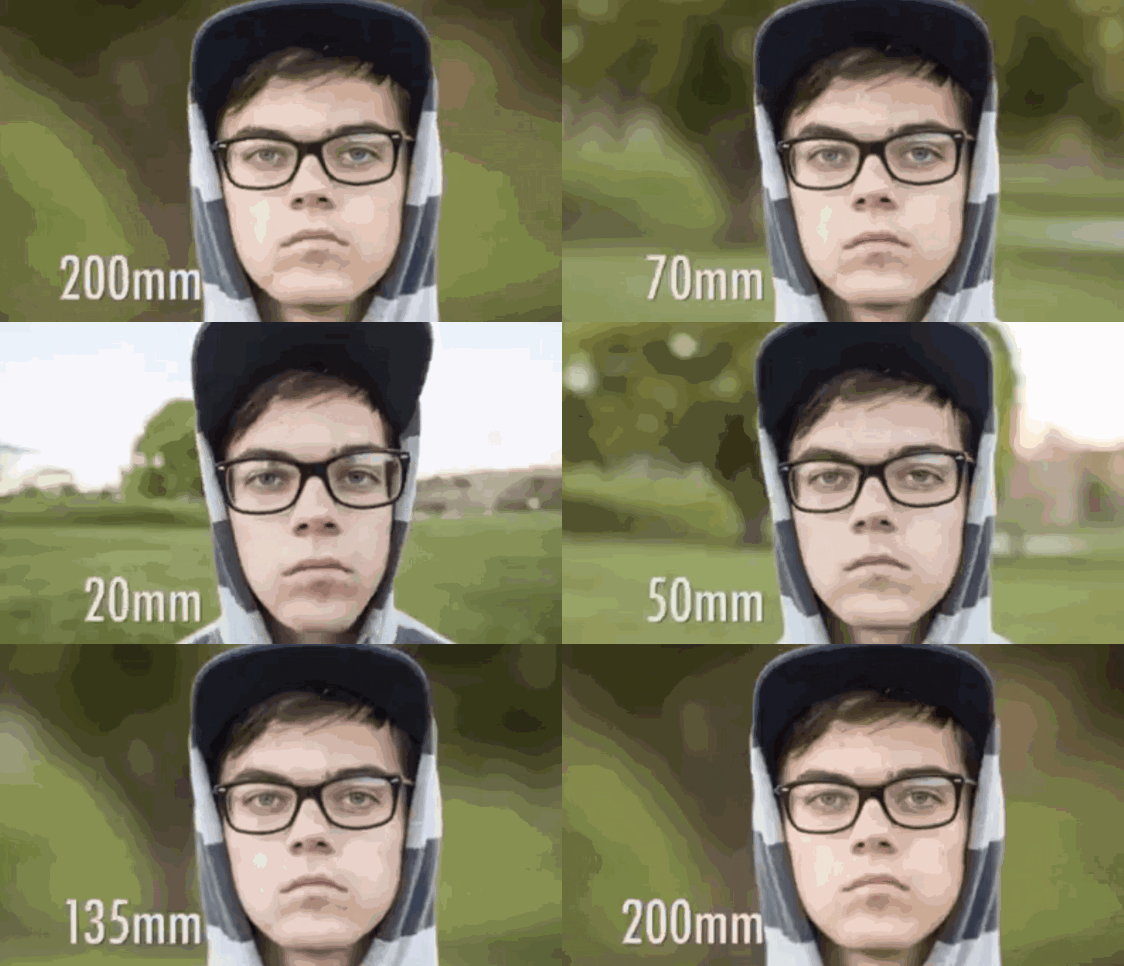
lens distortion
Foreground: distortion in the face from wide to narrow.
Background: compression affects how close the background is. This is an example of how much the lens affects the look of your subject and bg.

Mentorship
If you want to go fast, go alone. If you want to go far, take care of your team.
Discussing career possibilities, how to keep inspired, or one on one mentorship is available. I’d love to hear where you are at in your creative journey. A VFX, art, design professional with years of figuring things out, I may have some ideas and answers for you! Portfolio. Inspiration. Finding your style. Traditional or Digital.
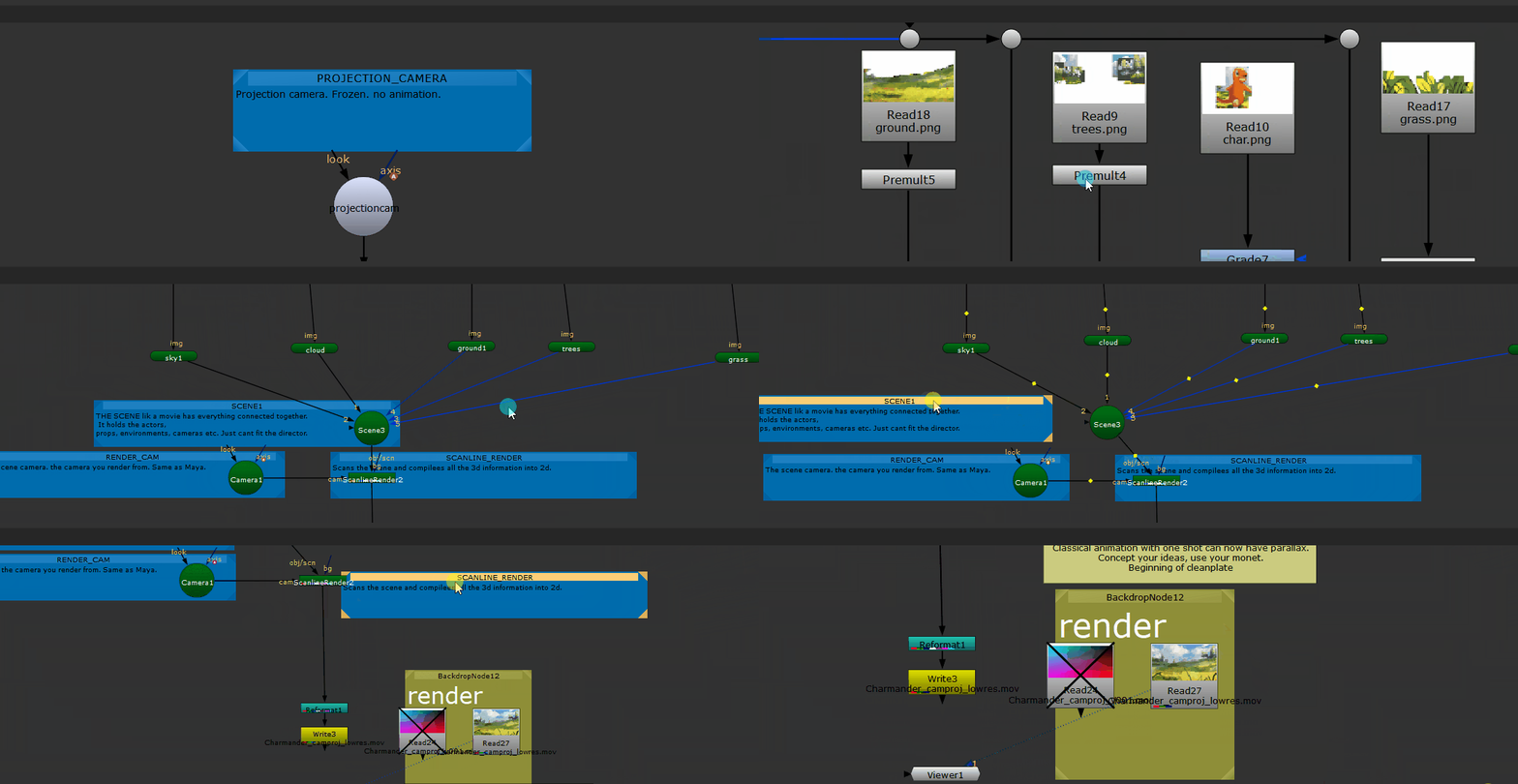
VFX CAMERA PROJECTION.
Matte painting, animatics, storyboards, projection is a quick proof of concept.
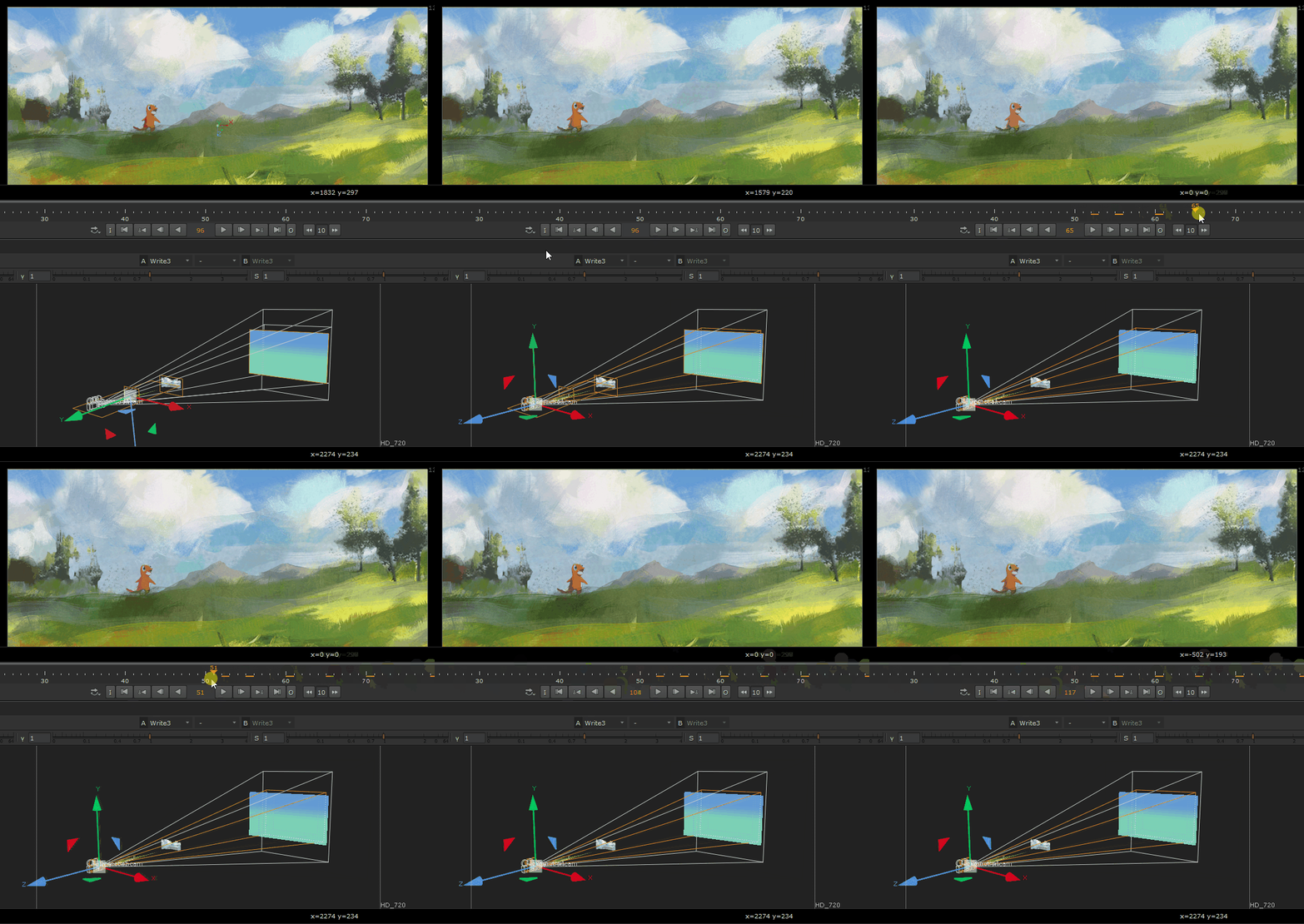
See how the camera changes teh focal length of what we see.
Software like Houdini, Katana and Nuke can seem strange to those used to layer based software like Adobe Photoshop, Premiere, After Effects. The COOL things about nodes, is it is like an calculator. An order of operation performing a function that you can tweak.
Nuke Nodes
Camera (projection and animation camera).
Read (image file). Project 3d (texturing node).
Card (Geometry) Scanline render (Brings 3d to 2d)
Write (renders a movie or image)
It’s a quick and time saving approach, but the illusion breaks if camera changes.